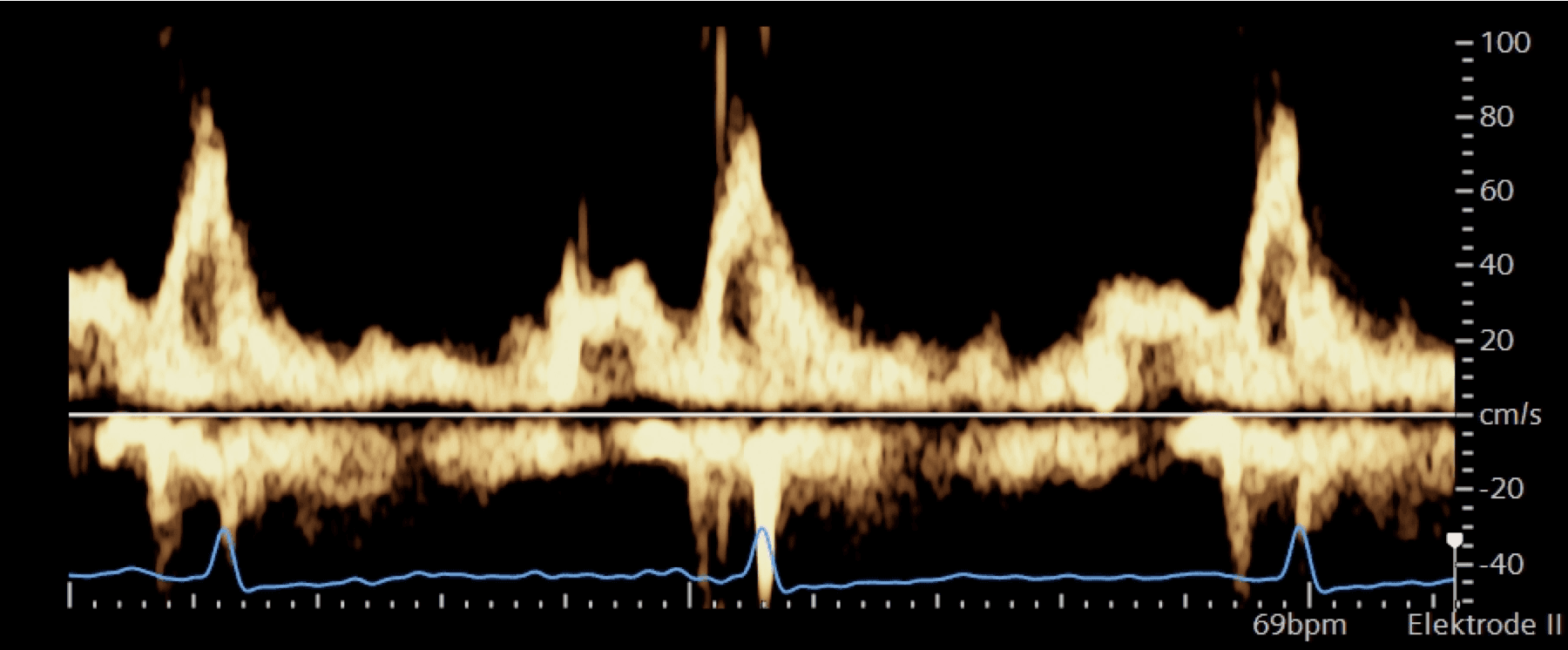
LV systole
IVCT
Mitral valve closure (MVC) to aortic valve opening (AVO)
Isovolumic contraction — LA contraction is finished, LA/LV pressures are almost equal, the MV closes. The LV pressure rises above the LAP, the MV is closed; the pressure is not yet high enough for AV opening ➜ isovolumic contraction phase (part of systole but no output)
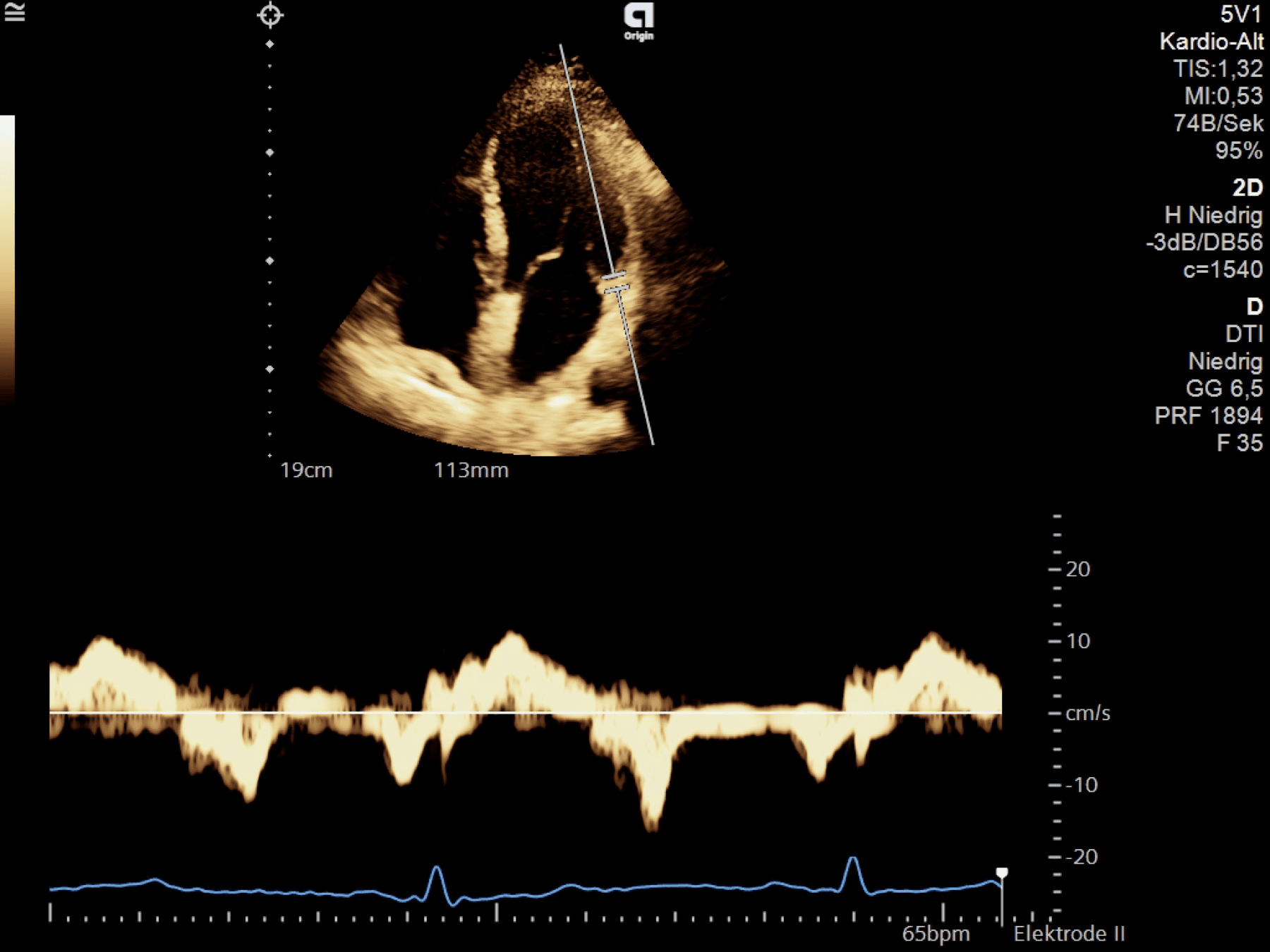
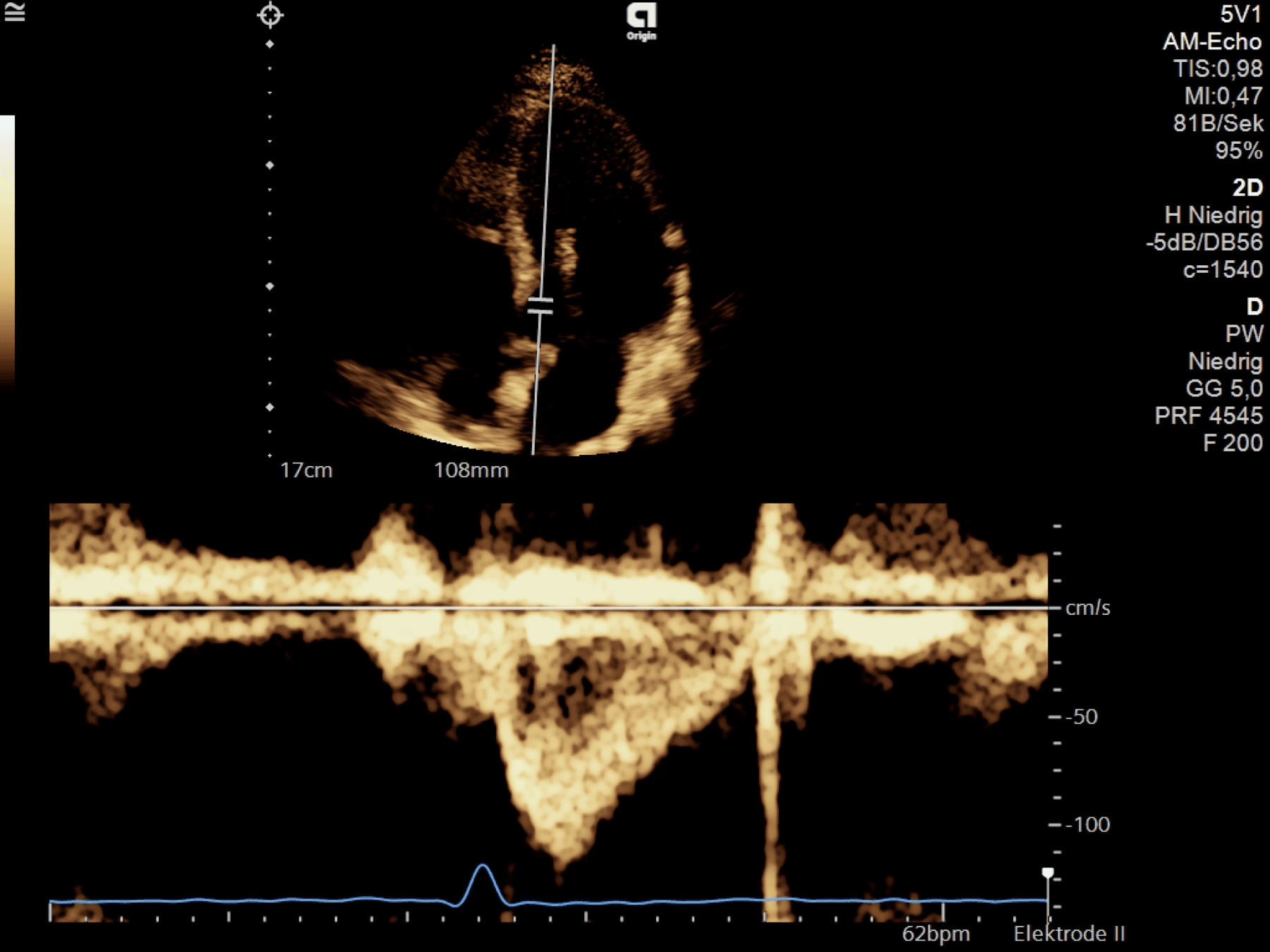
Nakatani S, 2011
LV diastole
IVRT
AVC to MV-opening (MVO)
Isovolumic relaxation — compression & torsion lead to energy of the elastic elements of the cardiomyocytes & extracellular matrix in end-systole ➜ recoil & untwist in early diastole due to „relaxed state“ + active myocyte relaxation ➜ LV-volume ↑ & LV-pressure ↓ = measurable
At the beginning of diastole, LV pressures are just below AV pressures; the LV pressures are just above the LAP ➜ the IVRT is a short time interval of expansion of the LV without volume change ➜ AV & MV are closed = isovulmetric relaxation time (around 40ms)
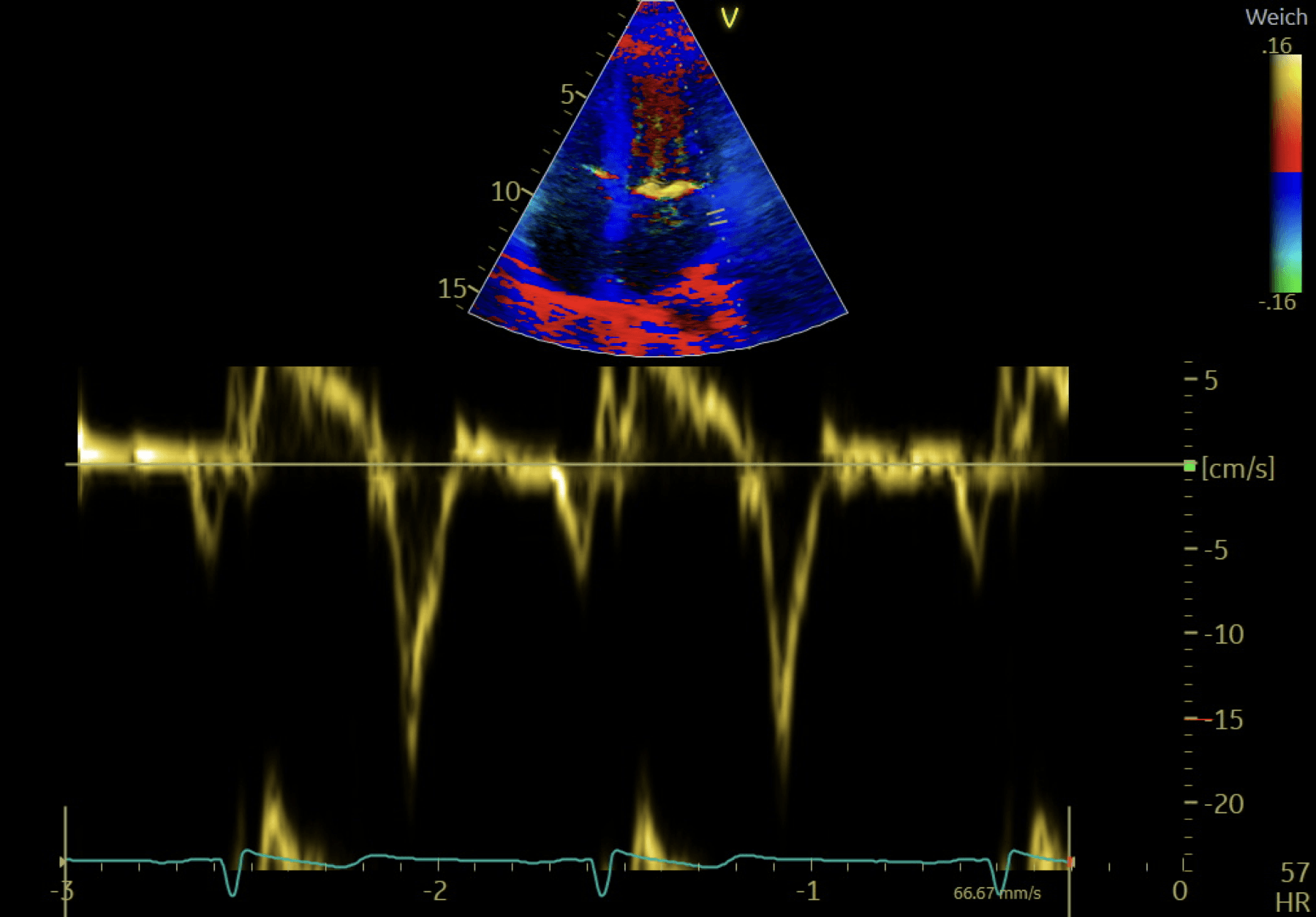
Early filling (E-Wave)
Due to untwisting & relaxation, the LV pressure drops, LAP is higher than the LV pressure, the suction opens the MV ➜ end of the IVRT & beginning of the E-wave. A short (30-40ms) period lowers the LV pressure even though the LV volume expands ➜ a gradient from LA to LV ➜ flow acceleration
80-90% of the blood volume is sucked into the LV during this time (duration around 140ms)
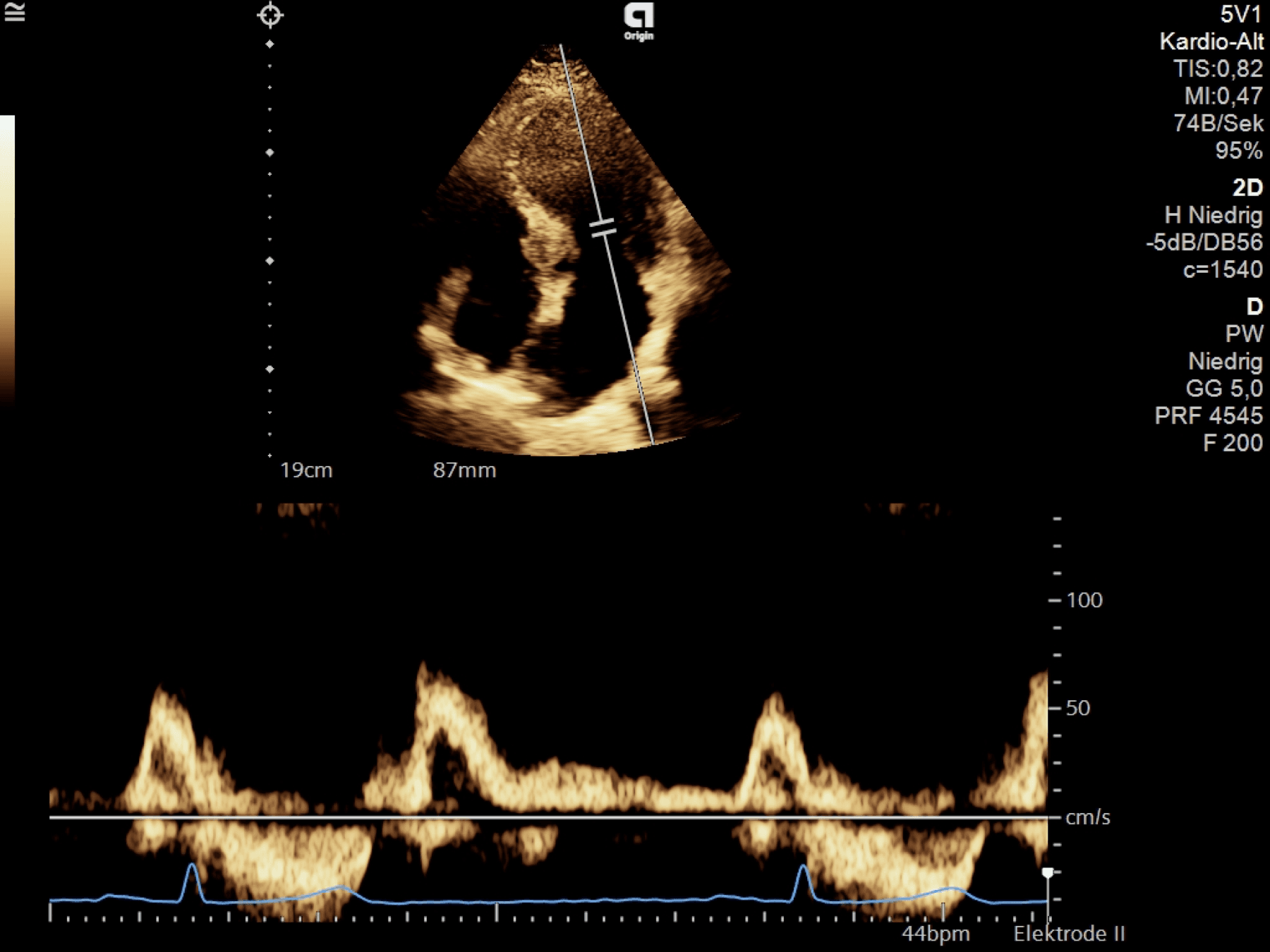
Diastasis
The LV is in a relaxed state, LV pressures rise mildly, there is almost no pressure difference between the LA & the LV
The MV is „semi-open“
Heart rate dependent — bradycardia, long diastasis; tachycardia, almost no diastasis
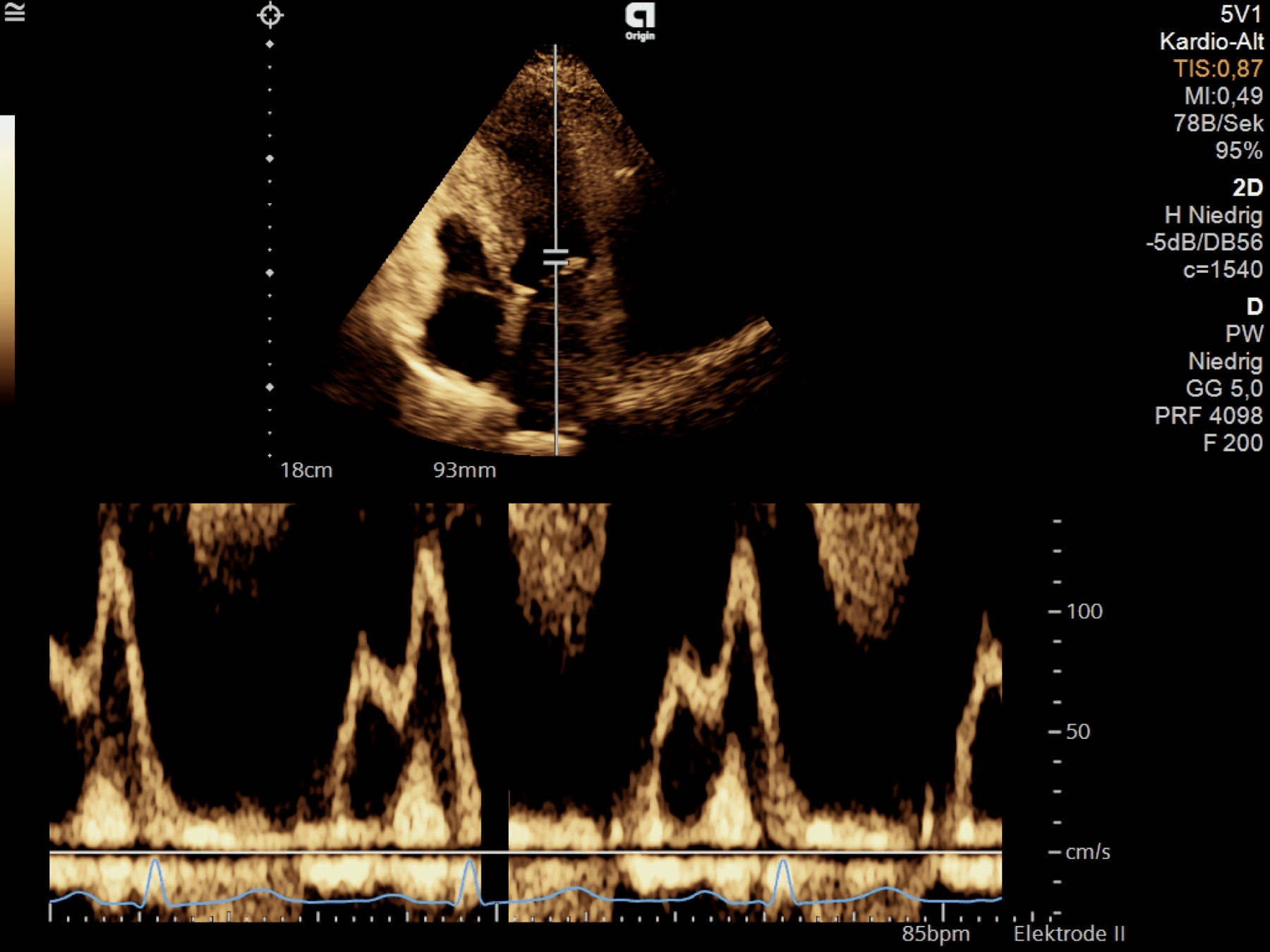
Atrial contraction (A-wave)
LA contraction elevates LV pressures ➜ MV opens again, LV fills with blood again
In normal filling pressures, almost no „counterpressure“ from the LV, a little bit of blood flows back to the PV, 10-20% of the blood is transported with <5mmHg of pressure
The LVEDP, LAP, PV, and pulmonary pressures are low